
Founded in 1899, Bostonian has established itself as one of America’s most enduring footwear brands, boasting over 125 years of shoemaking expertise. The brand’s roots run deep in Massachusetts, where it emerged from the rich tradition of New England craftsmanship—a region historically renowned for its leather goods and meticulous manufacturing standards.
The brand name “Bostonian” carries significant cultural weight, evoking the sophisticated, educated, and professional character associated with Boston and broader New England society. This nomenclature was deliberate, positioning the shoes as embodiments of East Coast refinement, intellectual distinction, and business acumen. The city of Boston itself, with its prestigious universities, financial institutions, and established professional class, provided the perfect backdrop and inspiration for a brand that would come to define American business footwear.
Bostonian Premium Men’s Footwear Collection
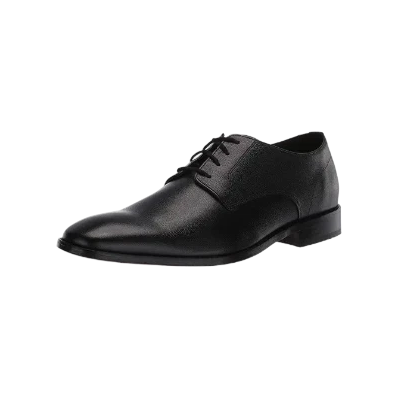
Bostonian Nantasket Fly Shoe
Price: $120.00
Exceptional Comfort Meets Classic Design
Step into sophistication with the Bostonian Nantasket Fly Shoe, a perfect balance of refined craftsmanship and modern comfort. Designed with a heel height of 1 inch and a removable Ortholite footbed, it ensures maximum support for all-day wear. The leather linings and premium leather outsole enhance breathability and durability, giving every step a touch of luxury.
Premium Fit and Support
Whether it’s your daily commute or a weekend stroll, the Arch and Heel Support features provide unmatched stability. The lace-up closure adds a timeless finish to its sleek design, complementing any wardrobe from casual to business. Choose the Bostonian Nantasket Fly Shoe to experience a blend of style, support, and Bostonian legacy.
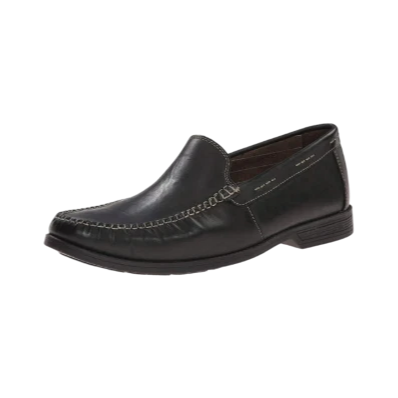
Bostonian Men’s Warren Twin Loafers Shoes
Price: $39.95
Casual Sophistication for Everyday Wear
Make every step count with the Bostonian Warren Twin Loafers—crafted for men who appreciate effortless style. Featuring a durable leather upper and contrast stitching with a moc-toe design, this loafer adds a touch of class to any casual ensemble. The textile lining ensures all-day comfort even during extended wear.
Durable, Comfortable, and Confident
Built on a rubber outsole that offers excellent grip, these loafers combine long-lasting wear with dependable traction. Imported and made for style-conscious men, the Warren Twin Loafers deliver a smart, relaxed look perfect for the office, the weekend, or a night out.
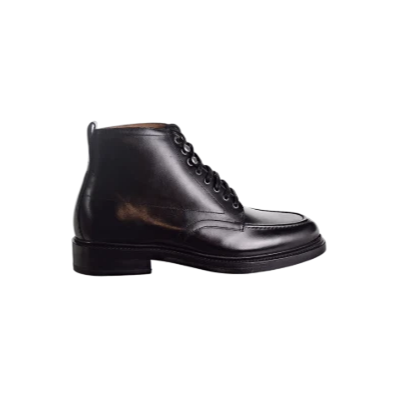
Bostonian Berkshire Moc Men’s Shoes – Black 26136614
Price: $199.95
A Heritage of Craftsmanship
Since 1899, Bostonian has been synonymous with excellence in men’s footwear. The Berkshire Moc continues this proud tradition with New England craftsmanship at its core. Built from full-grain leather and finished with a genuine Goodyear welt, this polished lace-up shoe stands the test of time—both in style and durability.
Versatile and Refined
Featuring an impact-absorbing OrthoLite® footbed, these shoes provide ultimate comfort and support, whether you’re pairing them with a tailored suit or rolled-up denim for a rugged look. Imported and 100% authentic, the Bostonian Berkshire Moc is for the modern man who demands elegance with endurance.
Brand Development Journey
Bostonian’s evolution mirrors the broader transformation of American manufacturing and consumer culture. In its early years, the company operated as a traditional hand-crafted shoe workshop, where skilled artisans meticulously constructed each pair using time-honored techniques. As the 20th century progressed, Bostonian successfully transitioned to industrial-scale production while maintaining quality standards, allowing the brand to reach a wider audience without compromising its reputation.
During the mid-20th century, Bostonian solidified its position as the quintessential choice for America’s burgeoning middle class, particularly among white-collar professionals seeking reliable, presentable footwear at accessible price points. The brand became synonymous with business attire, appearing in countless offices, boardrooms, and professional settings across the nation.
The modern era brought significant changes when Clarks, the British footwear giant renowned for comfort innovation, acquired Bostonian. This acquisition led to strategic repositioning, incorporating Clarks’ comfort technologies while preserving Bostonian’s classic American aesthetic. Today, Bostonian occupies a distinct niche in the footwear market—offering traditional business styling enhanced by contemporary comfort features, maintaining relevance among professional consumers who value both appearance and all-day wearability.
Core Brand Values
Bostonian’s enduring success stems from its unwavering commitment to several fundamental principles. The brand steadfastly maintains classic American business styling, resisting fleeting fashion trends in favor of timeless designs that remain appropriate across decades. This conservative approach ensures that a pair of Bostonian shoes purchased today will look equally professional five or ten years hence.
Central to the brand philosophy is the balance between comfort and formality—a delicate equilibrium that many brands struggle to achieve. Bostonian recognizes that modern professionals require shoes that look appropriate for serious business settings while feeling comfortable enough for full workdays that may involve walking between meetings, standing during presentations, or navigating airport terminals.
The brand’s positioning emphasizes dependable quality at reasonable prices, deliberately targeting the middle market where value-conscious consumers seek shoes that perform well and last long without commanding luxury price tags. This practical approach has cultivated loyalty among workplace professionals and business executives who appreciate smart spending without sacrificing appearance or durability.
Product Line Categories and Features
Dress Shoe Collections
Oxford Shoes
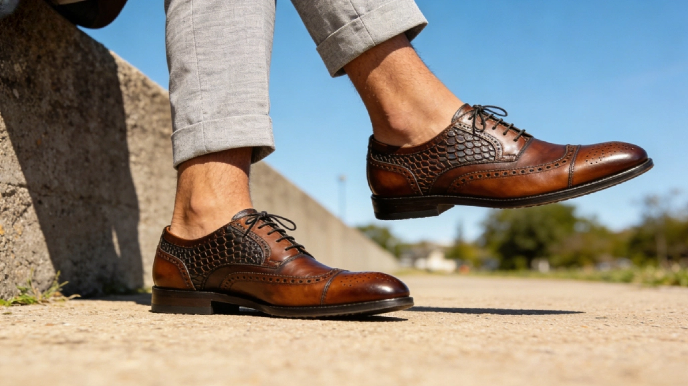
The Oxford represents the pinnacle of formal business footwear in Bostonian’s collection. Characterized by its closed lacing system where the eyelets are stitched under the vamp, the Oxford projects maximum formality and refinement. Bostonian offers numerous Oxford variations, from plain-toe cap-toe designs suitable for the most conservative business environments to subtly detailed wingtip versions that add character while maintaining professionalism.
Representative product lines typically range from $80 to $150, positioning these shoes as accessible investments for professional wardrobes. Material selections emphasize quality, featuring full-grain leather that develops attractive patina over time, and burnished or waxed finishes that require minimal maintenance while resisting water and stains.
Derby Shoes
Derby shoes, distinguished by their open lacing system where eyelets are stitched on top of the vamp, offer greater versatility for business-casual contexts. This construction provides slightly more adjustability and comfort, making Derbies excellent choices for professionals whose workplaces embrace relaxed dress codes or who transition between formal meetings and casual collaboration spaces.
Bostonian’s Derby collection excels in semi-formal situations—business lunches, client presentations in creative industries, or Friday office environments. The slightly less structured appearance compared to Oxfords makes these shoes appropriate for pairing with chinos, wool trousers, or even well-tailored jeans in progressive workplace cultures.
Loafer Styles
Loafers represent Bostonian’s answer to convenience without sacrificing professional appearance. The slip-on design eliminates laces entirely, offering effortless wearability while maintaining business-appropriate aesthetics. Classic elements like tassels and horse-bit hardware add sophisticated details that elevate these shoes beyond mere casual footwear.
These designs occupy the fascinating intersection between business and leisure wear, suitable for both office environments and weekend social engagements. The versatility makes loafers particularly valuable for professionals seeking to minimize their shoe collection while maximizing outfit possibilities.
Casual Leather Shoe Series
Bostonian’s casual collection acknowledges that modern professionals lead multifaceted lives extending beyond office walls. Weekend casual designs incorporate relaxed construction, softer leathers, and less rigid structures while retaining the quality and craftsmanship associated with the brand.
Material diversity distinguishes this collection, featuring suede for textured sophistication, nubuck for subtle luxury, and polished leather for occasions requiring slightly elevated presentation. Color palettes extend beyond traditional business blacks and browns to include contemporary grays, rich burgundies, and navy blues—hues that coordinate effortlessly with modern casual wardrobes while maintaining adult sophistication.
Functional Specialty Series
Waterproof Collection
Recognizing that business doesn’t stop for inclement weather, Bostonian developed waterproof series incorporating moisture-resistant treatments and membrane technologies that prevent water penetration while maintaining breathability. These shoes prove invaluable for professionals in regions with frequent precipitation or those whose responsibilities require outdoor activities regardless of weather conditions.
The waterproof technology applications vary across price points, from treated leather surfaces offering splash resistance to fully waterproof constructions suitable for extended wet-weather exposure. This functional enhancement doesn’t compromise appearance—waterproof Bostonians maintain the refined aesthetics expected in professional settings.
Lightweight Collection
Modern workplace demands often involve extensive walking, standing, or travel, prompting Bostonian’s development of weight-reduced designs. The lightweight series employs advanced materials and construction techniques to minimize shoe weight without sacrificing structural integrity or professional appearance.
This engineering feat delivers remarkable comfort during prolonged wear, reducing foot fatigue and leg strain that accumulate during long workdays. The lightweight philosophy particularly benefits professionals who travel frequently, walk between meetings, or work in expansive office campuses requiring considerable daily movement.
Core Technologies and Craftsmanship
Shoemaking Techniques
Bostonian employs various construction methods across its product range, with techniques selected to balance quality, comfort, and price accessibility. Select premium lines utilize Goodyear welt construction—a traditional method where the upper leather, insole, and outsole are stitched together using a leather strip (the welt). This technique creates exceptionally durable shoes that can be resoled multiple times, significantly extending product lifespan.
More accessible product tiers combine cemented (glued) construction with reinforcing stitching, delivering reliable durability at lower price points. While not offering the same resoling potential as Goodyear welted shoes, these constructions provide excellent value and performance for typical professional use cases.
Last design—the three-dimensional foot form around which shoes are constructed—profoundly influences comfort and fit. Bostonian develops lasts that accommodate typical American foot shapes, with proportions refined through decades of consumer feedback and fit testing. Thoughtful last engineering explains why many customers report Bostonians fitting comfortably straight from the box with minimal break-in requirements.
Comfort Technologies
Memory Foam Cushioning
Bostonian integrates memory foam technology in footbeds and insoles, providing responsive cushioning that conforms to individual foot contours. This material compresses under body weight during use, creating custom cushioning patterns that enhance comfort during extended wear. The memory foam absorbs impact forces with each step, reducing stress on feet, knees, and lower back—particularly beneficial during long days involving substantial standing or walking.
Flexible Sole Design
Outsole engineering emphasizes natural foot movement through strategic material selection and structural design. Rubber outsoles deliver superior traction and durability compared to traditional leather soles, with tread patterns engineered for slip resistance across various surfaces—from polished office floors to rain-slicked sidewalks.
EVA (ethylene-vinyl acetate) midsoles provide lightweight shock absorption, cushioning the foot while maintaining flexibility. Critical to comfort is proper flex point positioning—Bostonian places sole flex grooves at the ball of the foot where natural bending occurs during walking, preventing uncomfortable resistance or pressure points.
Breathability Systems
Leather naturally permits air circulation, and Bostonian capitalizes on this inherent property through careful material selection and treatment. Premium full-grain leathers retain porosity allowing moisture vapor escape while blocking liquid water entry. Lining materials are chosen for moisture-wicking properties that draw perspiration away from skin, promoting foot climate comfort.
Certain models incorporate ventilation perforations in uppers or strategic mesh panels in linings, enhancing air circulation without compromising professional appearance. These breathability features prove especially valuable in warm climates or during summer months when heat buildup becomes problematic.
Material Selection
Bostonian sources quality leathers from reputable tanneries, prioritizing hides with desirable characteristics like uniform grain structure, appropriate thickness, and natural resilience. Different leather types serve specific purposes: full-grain leather for premium models requiring durability and attractive aging; corrected-grain leather for more affordable options needing uniform appearance; suede and nubuck for textured casual styles.
Environmental considerations increasingly influence material choices, with the brand exploring sustainable leather alternatives and environmentally friendly tanning processes that minimize harmful chemical use. Component quality extends to seemingly minor details—durable waxed cotton or polyester laces, corrosion-resistant metal eyelets and hardware, and sturdy zippers when applicable—all contributing to overall longevity.
Appropriate Occasions and Styling Recommendations
Formal Business Settings
Job interviews, important client meetings, formal presentations, and traditional corporate environments demand maximum professionalism, making Bostonian’s Oxford collection the optimal choice. Black leather Oxfords represent the safest, most universally appropriate option for conservative business contexts, pairing flawlessly with charcoal, navy, or black suits.
Dark brown Oxfords offer slightly more personality while remaining entirely appropriate for most professional situations, coordinating beautifully with medium to light gray suits, earth-toned business attire, and autumn/winter color palettes. Understanding contextual appropriateness remains crucial—while brown shoes have gained acceptance in contemporary business culture, certain ultra-conservative industries and formal evening events still favor black footwear exclusively.
Business Casual Environments
Daily office wear in relaxed professional settings permits greater flexibility, where Bostonian’s Derby shoes and dressier loafers excel. These styles pair effectively with wool trousers, cotton chinos, corduroy pants, and occasionally dark, tailored denim in particularly casual workplaces.
Smart casual styling—that nebulous dress code requiring sophistication without full business formality—becomes manageable with Bostonian’s transitional pieces. A cognac leather loafer with tassel detail, worn with navy chinos and a button-down shirt (no tie), strikes appropriate balance for creative agency offices, tech company environments, or casual Fridays in traditional businesses.
Casual Social Occasions
Weekend gatherings, casual dinners, date nights, and social events permit Bostonian’s casual leather collection to shine. Suede shoes in rich earth tones complement dark denim exceptionally well, creating polished yet relaxed ensembles. Lighter brown or tan leather casual shoes coordinate with khaki, olive, or stone-colored casual trousers, embodying approachable weekend sophistication.
Seasonal considerations influence optimal selections—lighter colors and suede materials suit spring and summer, while darker leathers and waterproof options better serve autumn and winter conditions. The versatility of Bostonian’s casual range enables assembling seasonally appropriate, stylish outfits without requiring extensive footwear collections.
Size Selection and Fit Guidance
Sizing System
Bostonian employs standard American sizing conventions, with men’s sizes typically ranging from 7 to 15, including half sizes for precise fitting. Beyond length, width measurements significantly impact comfort—standard D width fits average feet, while E and EE (sometimes labeled “Wide” and “Extra Wide”) accommodate broader feet requiring additional room across the ball and instep.
Comparing Bostonian sizing to other brands requires careful consideration as manufacturers vary in dimensional interpretation. Many customers report Bostonians fitting true to size compared to other American brands, though individual last variations mean specific models may fit slightly differently. When possible, consulting size charts with actual length and width measurements in millimeters or inches provides more reliable guidance than relying solely on numerical sizes.
Fitting Recommendations
Optimal fitting occurs during afternoon or evening hours when feet have slightly swollen from daily activity, providing realistic size assessment for typical wearing conditions. Properly fitted shoes should provide approximately one thumb’s width (roughly 1/2 inch or 12mm) of space between longest toe and shoe end when standing, preventing toe crowding while avoiding excessive empty space that permits sliding and friction.
Heel fit deserves particular attention—the heel should feel snug without painful pressure, with minimal lift when walking. Excessive heel slippage indicates too-large sizing or improper width selection, leading to blisters and instability. Conversely, heels that pinch or chafe suggest too-small sizing.
New leather shoes typically require a brief break-in period as materials soften and conform to individual foot shapes. Initial slight tightness across the vamp or stiffness in flex points generally resolves within several wearings as leather relaxes. However, significant pain, pressure points, or numbness indicates incorrect sizing rather than normal break-in resistance—truly properly sized shoes should feel comfortable from the first wearing, improving further with use.
Special Foot Considerations
High arches require shoes with adequate vaulting to prevent painful midfoot pressure and provide proper arch support. Bostonian models with removable insoles permit custom orthotic insertion if needed. Conversely, flat feet benefit from models offering medial arch support and stability features preventing excessive foot pronation.
Wide feet require careful width selection—many customers mistakenly compensate for width needs by sizing up in length, creating improper fit with excess toe space while still experiencing lateral compression. Bostonian’s availability of multiple widths enables proper accommodation of foot breadth without length compromise. Narrow feet face inverse challenges, sometimes requiring insoles or tongue pads to prevent excessive internal movement in standard-width shoes.
Care and Maintenance
Daily Care Practices
Cleaning Protocols
Smooth leather shoes require regular brushing with horsehair brushes to remove surface dust and dirt before these particles abrade leather finishes. For deeper cleaning, slightly damp cloths effectively remove most soiling without damaging leather. Specialized leather cleaners address stubborn stains, though harsh chemicals or excessive water should be avoided as these can dry or damage leather.
Cleaning frequency depends on usage intensity and environmental exposure—heavily worn shoes in urban environments benefit from weekly attention, while occasional-wear shoes may require only monthly maintenance. Suede and nubuck demand specialized care using dedicated brushes and erasers designed for napped leathers, with cleaning motions following material nap direction.
Conditioning Treatments
Leather naturally loses moisture over time, becoming dry, stiff, and vulnerable to cracking. Regular conditioning with quality leather creams or oils replenishes essential oils, maintaining suppleness and water resistance. Conditioning frequency varies with environmental conditions—dry climates or heated indoor environments accelerate moisture loss, necessitating more frequent treatment than humid environments.
Application involves working small amounts of conditioner into leather using soft cloths, allowing absorption, then buffing to desired shine. Over-conditioning should be avoided as excessive product buildup attracts dirt and can soften leather excessively. Suede requires different treatment using specialized sprays and protectors rather than traditional conditioners.
Storage Practices
Shoe trees—cedar forms inserted into shoes after wearing—provide critical maintenance benefits. These devices maintain proper shoe shape, preventing toe collapse and upper creasing while absorbing residual moisture from wear. Cedar varieties offer additional benefits of pleasant aroma and natural moth-repelling properties.
Moisture control prevents mold and mildew growth that damages leather and creates unpleasant odors. Shoes should dry completely between wearings—alternating pairs rather than wearing the same shoes daily permits thorough moisture evaporation. During extended storage, shoes should be kept in cool, dry locations with adequate air circulation, away from direct sunlight that can fade colors and dry leather excessively.
Repair and Restoration
Common wear issues like worn heel lifts, separated stitching, or scuffed toes often prove repairable through professional cobbler services. Goodyear welted shoes particularly benefit from professional care as their construction permits complete outsole replacement, essentially creating renewed shoes at fraction of replacement cost.
Recognizing when professional intervention becomes necessary helps maximize shoe lifespan. Heel wear should be addressed before reaching the shoe body, as delayed repair causes structural damage requiring more extensive restoration. Similarly, minor separation or loose stitching repairs prevent progressive deterioration that eventually renders shoes unusable.
Purchase Channels and Pricing
Official Sources
Bostonian’s official website provides comprehensive product selection with detailed descriptions, multiple product images, and customer reviews assisting purchase decisions. Online purchasing offers convenience and often features styles unavailable in physical retail locations. Official channels ensure product authenticity and provide direct access to manufacturer warranties and return policies.
Authorized retail stores permit hands-on examination and try-on experiences, invaluable for first-time buyers uncertain about sizing or style preferences. Knowledgeable sales staff can provide fitting assistance and style recommendations based on individual needs and intended uses.
Mainstream Retail Platforms
Department stores traditionally carry Bostonian selections, often featuring brand shops-within-shops displaying current collections. These locations provide trying convenience within broader shopping trips, though selection may be limited compared to dedicated footwear retailers or online sources.
E-commerce platforms like Amazon and Zappos offer extensive Bostonian inventories with competitive pricing, customer reviews, and often free shipping and returns. These platforms’ liberal return policies reduce purchase risk for online buyers, permitting at-home try-on with easy returns if sizing or style proves unsuitable.
Outlet stores and discount retailers periodically offer Bostonian shoes at reduced prices, particularly previous season’s styles or discontinued models. These venues provide value opportunities for budget-conscious buyers willing to accept limited size and style availability.
Price Positioning
Bostonian occupies the mid-range price segment, with most styles priced between $70 and $160. Entry-level models start around $70-$90, offering basic but reliable construction suitable for occasional wear or budget-conscious buyers. Mid-range models ($100-$130) represent the brand’s core offerings, incorporating comfort technologies and quality materials providing excellent value. Premium lines approaching $150-$160 feature enhanced materials, superior construction methods, and advanced comfort systems.
This pricing positions Bostonian advantageously against competitors—significantly more affordable than luxury brands commanding $300-$500+ while offering superior quality and comfort compared to budget footwear under $60. The value proposition appeals to practical consumers seeking professional appearance and reliable performance without luxury-brand premiums.
Seasonal sales events, particularly around major holidays and end-of-season clearances, often yield 20-40% discounts, making already reasonable prices exceptionally attractive. Strategic timing of purchases can substantially enhance value received.
Competitive Comparison and Selection Advice
Competitor Analysis
Versus Clarks: Despite common ownership, Bostonian and Clarks maintain distinct identities. Clarks emphasizes casual comfort and British heritage styling, while Bostonian focuses specifically on American business footwear. Bostonian generally presents more formal aesthetics suitable for conservative business environments, whereas Clarks excels in relaxed, everyday comfort shoes.
Versus Rockport: Both brands prioritize comfort technology in business footwear, making them natural competitors. Rockport often incorporates more prominent athletic-inspired comfort features and contemporary styling, while Bostonian maintains more traditional aesthetics. Price points overlap significantly, with choice often depending on stylistic preference and specific comfort feature priorities.
Versus Dockers: Dockers footwear emphasizes casual business styling at accessible prices, competing directly with Bostonian’s business-casual range. Bostonian typically offers broader formal shoe selection and slightly superior construction quality, while Dockers provides excellent value in relaxed professional footwear.
Versus Johnston & Murphy: Johnston & Murphy occupies a slightly higher market position with premium pricing ($150-$300+) reflecting enhanced materials and construction. For consumers prioritizing maximum quality and willing to pay premiums, Johnston & Murphy merits consideration. However, Bostonian delivers remarkable value for those seeking 80% of the quality at 50% of the cost.
Strength Analysis
Bostonian’s price-to-value ratio stands as its most compelling advantage. The brand delivers professional appearance, reliable construction, and genuine comfort features at prices accessible to typical middle-class consumers. This positioning makes maintaining professional wardrobe practical without requiring luxury budgets.
Comfort emphasis distinguishes Bostonian from comparably priced competitors often prioritizing appearance over wearability. The integration of memory foam cushioning, flexible construction, and thoughtful fit engineering creates shoes genuinely comfortable for all-day professional wear—crucial for modern workers spending extended hours in business footwear.
Classic styling ensures longevity beyond single seasons. While fashion-forward competitors chase trends resulting in rapidly dated appearances, Bostonian’s conservative aesthetics remain appropriate indefinitely. A well-maintained pair purchased today will look equally professional five years hence.
Limitations Acknowledgment
Bostonian doesn’t compete with luxury brands in ultimate material quality or construction refinement. Leather grains may show some inconsistency; finishing details may lack the perfection of handcrafted luxury shoes; construction methods, while reliable, don’t match artisanal techniques. Consumers seeking absolute premium quality should consider higher-tier brands despite substantially higher costs.
Style innovation remains relatively conservative. Those desiring cutting-edge fashion elements or distinctive contemporary designs may find Bostonian’s classical approach insufficiently exciting. The brand serves customers valuing timeless appropriateness over fashion leadership.
User Feedback and Common Questions
Positive Review Themes
Comfort consistently receives praise in customer feedback, with numerous reviewers highlighting all-day wearability and minimal break-in requirements. Professionals wearing Bostonians through long workdays, extensive walking, or travel frequently commend the shoes’ sustained comfort.
Value recognition appears prominently in reviews, with customers appreciating professional quality at accessible prices. Many specifically compare Bostonians favorably to significantly more expensive alternatives, noting minimal practical differences justifying price premiums.
Durability satisfaction emerges frequently, with users reporting years of reliable service from properly maintained pairs. This longevity reinforces value perceptions and builds brand loyalty among repeat customers.
Common Concerns Addressed
Sizing inconsistency complaints occasionally surface, typically involving specific models fitting differently than others. This variation reflects different last usage across product lines rather than quality control issues. Consulting product-specific reviews and being prepared to exchange sizes if necessary mitigates this concern.
Break-in discomfort reports, while less common than with many competitors, do occur. Most cases resolve within several wearings as leather softens. Persistent pain indicates incorrect sizing rather than normal adjustment.
Durability concerns center on specific models using cemented construction, where sole separation can eventually occur with heavy use. While Goodyear welted lines offer superior longevity, appropriately priced cemented models provide excellent value for typical professional use cases.
Purchase Recommendations Summary
Ideal Bostonian customers include business professionals seeking reliable, comfortable, professional footwear at reasonable prices; budget-conscious consumers requiring business shoes for interviews or occasional professional needs; individuals valuing classical styling over fashion trends; and practical shoppers prioritizing value and long-term cost-per-wear over initial purchase price.
Recommended entry purchases include black Oxford for formal business needs, brown Derby for business-casual versatility, or dark loafer for maximum adaptability across professional and casual contexts. These foundational styles establish core professional footwear wardrobes expandable as needs and budgets permit.
Brand Future and Sustainability
Product Innovation Directions
Comfort technology advancement continues as consumer expectations evolve. Bostonian explores enhanced cushioning systems, improved arch support technologies, and materials offering superior breathability and moisture management. These developments aim to further distinguish the brand in comfort-conscious market segments.
Style evolution toward younger demographics proceeds cautiously, introducing contemporary elements like streamlined profiles and updated color palettes while preserving core classical aesthetics. This balanced approach targets expanding customer base without alienating traditional buyers valuing conservatism.
Smart technology integration remains exploratory, with potential applications including sensors tracking wear patterns, temperature regulation systems, or digital fit assistance tools. However, implementation proceeds carefully to avoid gimmickry that adds cost without meaningful benefit.
Sustainability Commitments
Environmental consciousness increasingly influences material sourcing, with preference toward leather from environmentally responsible tanneries employing cleaner processes and better waste management. Exploration of alternative materials like recycled components or plant-based leather substitutes continues, balanced against performance and durability requirements.
Manufacturing process improvements focus on reducing waste, conserving water and energy, and minimizing harmful chemical usage. While complete environmental neutrality remains distant, incremental improvements demonstrate commitment to reducing ecological footprint.
Social responsibility extends to labor practices throughout supply chains, ensuring fair treatment and safe conditions for workers involved in production. Transparency initiatives increasingly inform consumers about sourcing and manufacturing ethics.
Market Trend Adaptation
Remote work proliferation has diminished daily business footwear demands while increasing interest in versatile shoes suitable for occasional office visits, video calls (visible portions), and home-based work. Bostonian responds by emphasizing comfort features and versatile styling appropriate across professional and casual contexts.
Business casual expansion continues as traditional formal dress codes relax across industries. This trend favors Bostonian’s strength in transitional styling bridging formal business and casual aesthetics, positioning the brand advantageously for evolving professional norms.
Digital engagement enhancement addresses changing shopping behaviors, with improved online experiences, virtual fitting tools, enhanced product visualization, and social media presence connecting with contemporary consumers preferring digital interaction over traditional retail experiences.